Skip To:
- The comeback is real, but comfort still has to be earned
- The details that decide whether a flat feels good or feels like work
- Why some pretty flats feel terrible by noon
- How to wear them now without feeling overdressed or oddly precious
- Which versions are easiest to live in
- A few questions that usually come up
- If you just want the short version
If you've been seeing ballet flats everywhere again, you're not imagining it. They're back in a big way for fall, and not just in the classic rounded-toe version. Glove flats, Mary Janes, suede pairs, velvet pairs, and slightly more structured takes are all in the mix. The real question is whether comfortable ballet flats are finally easier to find, or whether the trend is just asking you to relive an old mistake in a prettier color.
A lot of us remember the last round of ballet flats very clearly: charming in the box, oddly punishing by lunchtime. Thin soles, no support, heel slip, cramped toes, and that special annoyance of having to grip the shoe with every step. So the skepticism is fair.
The good news is that some newer versions really are better. The less-fun news is that comfort still isn't automatic. A ballet flat has very little room to hide bad design. If the fit is off or the sole is flimsy, you'll know fast. That's why this trend is worth separating into two conversations: what looks good right now, and what actually feels good in real life.
The comeback is real, but comfort still has to be earned
If you've read any ballet flats 2026 coverage, they can look like the answer to everything: polished, easy, feminine, simpler than heels, sleeker than sneakers. And honestly, that part is true. They do solve a real wardrobe problem. You want a shoe that dresses up jeans, works with trousers, and doesn't ask you to commit to a heel on an ordinary Tuesday.
But ballet flats still fail in a few predictable ways. The sole can be too thin. The heel can slip. The toe box can narrow too aggressively. The opening can cut across your foot in exactly the wrong spot. When someone says she hates ballet flats, she's usually reacting to one or two of those issues, not rejecting the entire category forever.
That also explains why the prettiest pair isn't always the one you'll reach for most. A very flat, ultra-light skimmer may look elegant in a photo, but if you're commuting, standing, walking blocks at a time, or just out longer than expected, it may not be the shoe you actually enjoy wearing.
The details that decide whether a flat feels good or feels like work
Here's an easy way to think about it: comfort in a flat comes down to what the shoe supports and what it asks your foot to compensate for. The more your foot has to grip, brace, or absorb on its own, the less comfortable the shoe usually feels by the end of the day.
Cushioning where your foot actually lands
Softness alone isn't enough. What matters is where the padding sits. The heel and the ball of your foot usually need the most help, especially if you're walking on pavement or hard floors. Some flats feel plush when you press the insole with your hand, then surprisingly harsh once you're moving because the forefoot is still too thin.
The outsole matters too. A little substance between you and the ground makes a difference. Very bendy is not always better. If the shoe collapses through the middle too easily, your foot ends up doing more work with every step. A ballet flat doesn't need to be stiff, but it does need a little integrity.
Fit that holds your foot without squeezing it

The classic ballet flat problem is heel slip. When the back pops off, even slightly, you start curling your toes to keep the shoe on. That toe-gripping gets tiring fast. It can make an otherwise attractive shoe feel weirdly stressful, even if nothing is technically rubbing.
A better pair feels secure at the heel and sides without pinching the widest part of your foot. Soft leather can help because it molds over time, but only if the shape is already close to right. If a shoe feels obviously wrong in the store, don't assume it will transform into perfection after a few wears.
Pay attention to the vamp too, which is the part that covers the front of your foot. A slightly higher vamp often feels more secure and a little more supportive. A very low-cut opening looks delicate, but it can also make the shoe less stable on your foot.
Shape that works with your foot instead of arguing with it
This part is personal, and it's where a lot of comfort problems start. Round toe, almond toe, square toe, glove-flat shapes, and elongated ballerina styles all distribute pressure differently. If your forefoot is broader, a gently rounded or softly squared front usually feels easier than a narrow pointed shape trying to pass as a flat.
Toe depth matters as much as width. Some shoes look roomy from above but press down on the tops of your toes. Others are wide enough in front but still taper too sharply at the sides. A comfortable ballet flat usually feels uneventful in the best possible way. Your foot sits in it without having to negotiate.
And despite the name, truly flat isn't always the most comfortable option. A tiny bit of lift and a better-built sole can feel more natural than a shoe that's completely flat and paper-thin.
Materials that soften without turning sloppy
Suede and softer leathers are often forgiving, which is part of why the richer fall versions feel appealing right now. Velvet can be comfortable too, though it usually reads dressier and needs a little more care. The tradeoff is that very soft materials can stretch out. If the upper has no structure at all, a shoe that feels lovely on day one may feel loose and unsupportive later.
That's one reason glove flats divide people. The softness can feel amazing if you hate stiff seams or rigid edges. But if the sole underneath is just as minimal as the upper, the comfort story may stop at softness and not go much further.
Why some pretty flats feel terrible by noon
A lot of disappointment comes from confusing barely there with comfortable. They are not the same thing. A minimal shoe can look chic and still ask a lot from your foot. That's why the category marketed as comfortable flats for women is still such a mixed bag.
You might love one pair for dinner, office wear, or a quick errand and still not want it for a travel day or a long afternoon on your feet. That doesn't mean the shoe is bad. It just means not every flat is built for every kind of day.
If you want something you can actually walk in for hours, even the best ballet flats for walking usually sit at the sturdier end of the category. They tend to have better cushioning, a slightly thicker outsole, a defined heel counter, and enough coverage that your foot doesn't spend the whole time trying to hold the shoe on.
This is also where straps help. Mary Jane flats often feel easier than ultra-minimal skimmers because the strap reduces that constant gripping feeling. If you've always liked the look of ballet flats but hated how insecure they felt, this version may make more sense for you than the pure ballerina shape.
How to wear them now without feeling overdressed or oddly precious
The nicest thing about ballet flats is that they don't require a personality transplant. You do not need to build a whole costume around them. In most cases, they work best when they make your usual clothes feel a little more polished, not more complicated.
With pants
Ballet flats tend to look best when the hem and the shoe feel intentional together. Cropped straight-leg jeans, ankle trousers, slim pants, and softly tailored cigarette pants are all easy pairings because the shoe stays visible. Full-length wide-leg pants can work too, but the hem needs to be clean rather than puddled, or the flat can disappear completely.
If you want easy fall ballet flat outfits, start with combinations that already make sense for your life: dark jeans with a fine-knit sweater and suede flats, ankle trousers with a button-down and Mary Janes, or relaxed black pants with a lightweight knit and a simple leather pair. Those outfits feel current without trying too hard.
Very skinny pants with tiny flats can sometimes pull the look back toward the last ballet-flat era in a way you may or may not enjoy. A little looseness somewhere in the silhouette usually helps the shoe feel more modern.
With dresses and skirts

This pairing still works beautifully, especially when there's some contrast. A plain ballet flat can ground a fuller midi skirt, soften a shirtdress, or keep a knit dress from feeling too dressed up for daytime. Leather reads practical. Suede feels warmer for fall. Velvet works nicely for dinners, events, or days when you want something a little richer.
If you're wondering about ballet flats over 40, the useful answer is that age isn't the issue. Proportion, comfort, and personal taste are. Many women prefer a flat with a bit more structure, a slightly higher vamp, or a strap because it feels secure and polished. That's not dressing by rule. That's just knowing what makes your day easier.
With tights
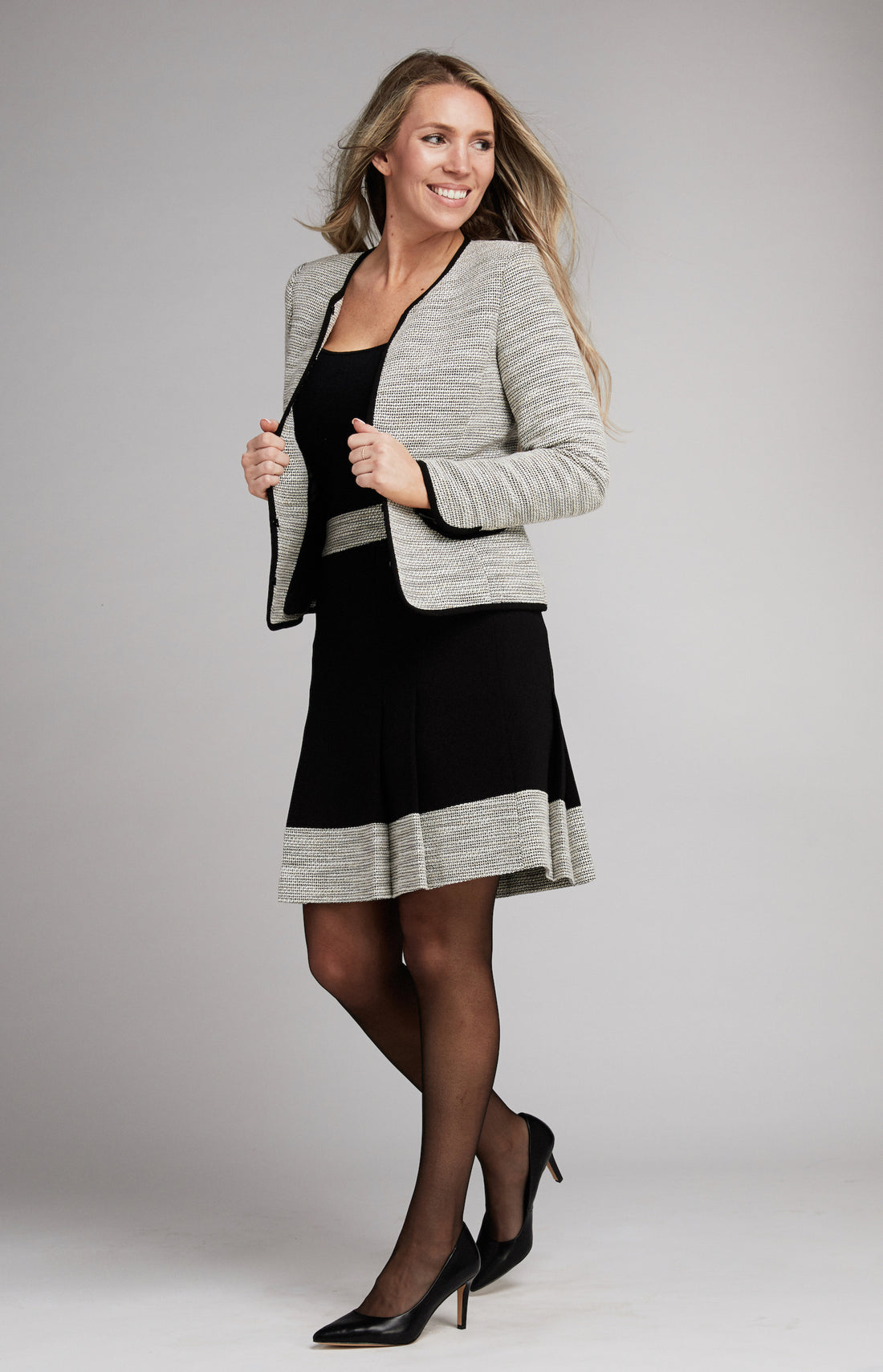
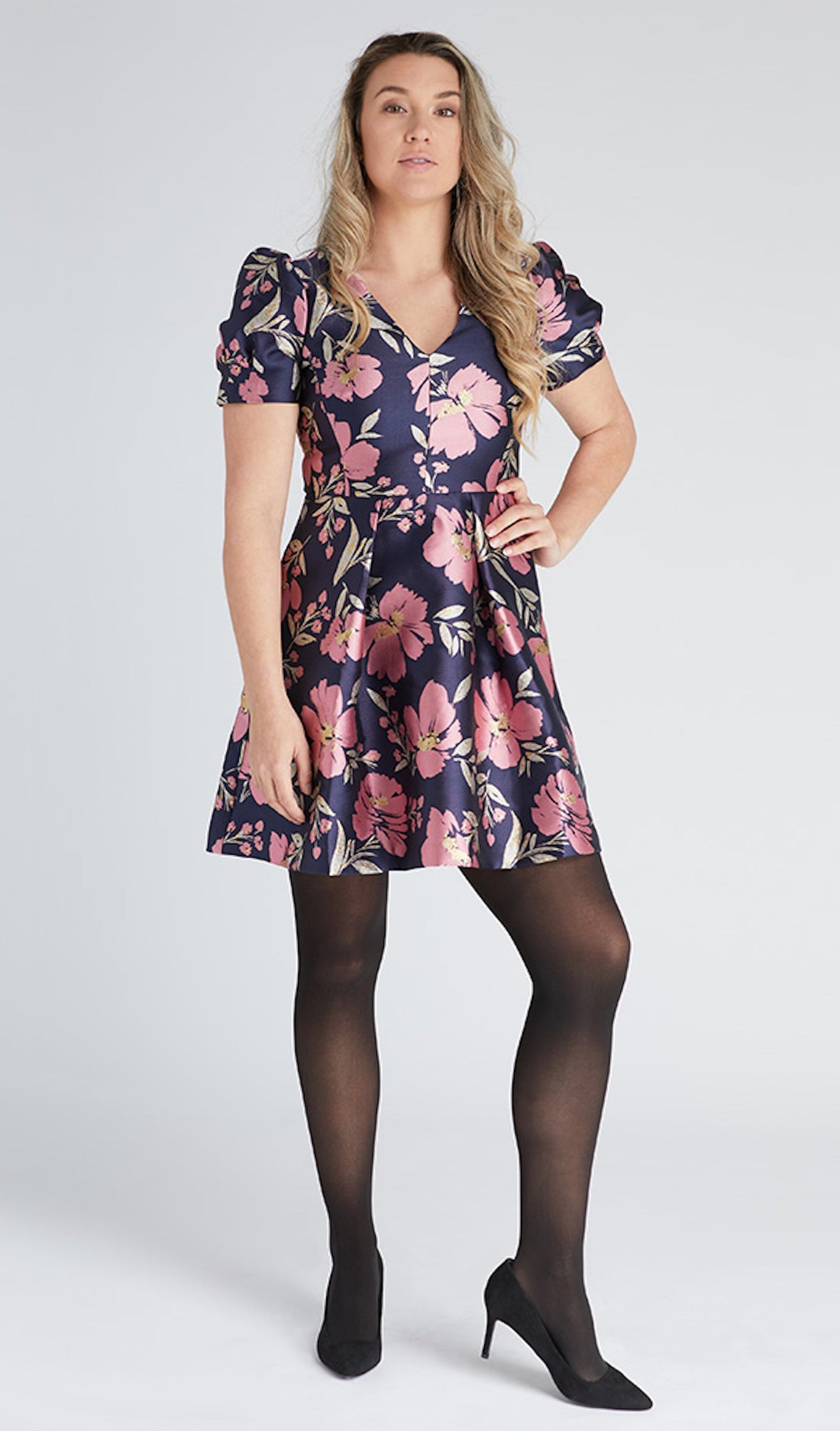
Ballet flats with tights can look very chic, but the textures need to make sense together. Matte tights with suede or brushed leather feel easy in cooler weather. Sheer black tights with a simple black flat and a dress usually look cleaner and more current than an ornate shoe with a busy tight.
Comfort matters here too. If your tights roll, dig, or need adjusting every time you sit down, the whole outfit loses its charm pretty quickly. A smooth pair from Hipstik can make skirts, dresses, and flats feel much less fussy through a real day.
One small styling shortcut helps a lot: if the shoe is delicate, let the tights stay quiet. If the tights have texture, keep the shoe simple. That keeps the outfit from veering into costume territory.
Which versions are easiest to live in
Not every ballet-flat trend is equally practical. If you're choosing with real life in mind, a few versions tend to be friendlier than others.
- Mary Jane flats usually offer the most security because the strap keeps the shoe connected to your foot.
- Glove flats can feel soft and modern, especially if your feet dislike stiff edges, but they need enough sole underneath to be more than a pretty slipper.
- Suede ballet flats are often forgiving and especially good for fall, though they don't love wet weather.
- Velvet versions look rich and dressy and are usually better for indoor wear or drier days.
- Classic leather pairs are still the most versatile if the toe shape and heel fit are right.
If you only want one pair, match it to your actual life rather than the most editorial-looking option. Office commute, school pickup, dinner out, travel day, weekend walking, and event dressing are different assignments.
A few questions that usually come up
Can ballet flats really work for a day with a lot of walking?
Sometimes, yes, but only certain pairs. Look for cushioning at the heel and forefoot, a secure heel, and an outsole with a bit of substance. If the shoe folds like cardboard and slips when you test-walk, it's probably not your all-day pair.
Why do some flats make my feet feel tired even when they don't rub?
Often it's because your toes are working to hold the shoe on, or because the sole is so thin that every step asks more from your foot. A shoe doesn't have to cause a blister to be tiring.
Should a soft leather flat feel snug at first?
A little close is normal. Truly tight is not. Soft uppers may relax somewhat, but they won't magically fix a bad toe shape, a slipping heel, or a topline that hits you in the wrong place.
Are pointed ballet flats always less comfortable?
Not always. A gentle almond shape can be very wearable. The problem is usually the combination of a narrow front, shallow toe box, and thin sole. That's when a sleek shape starts feeling punishing.
Do ballet flats still make sense if you're over 40?
Absolutely, if you like them. The better question is which pair feels secure, polished, and easy for your day. Many women prefer more coverage or a strap, but that's about comfort and preference, not age permission.
How do you keep ballet flats with tights from looking dated?
Keep the lines clean. Matte black tights, a simple dress or skirt, and a pared-back flat usually look fresher than an overly sweet or embellished version. Texture helps too. Suede, brushed leather, or a refined Mary Jane often feels current.
What pants are easiest with ballet flats?
Ankle-length trousers, cropped jeans, straight legs, and clean full-length hems tend to work best. You want the shoe to look deliberate instead of like a placeholder.
Is it worth adding an insert?
Sometimes a thin insert helps, especially if the shoe is slightly loose or under-cushioned. But if the shoe already feels shallow, adding more inside can create new pressure. Inserts can fine-tune a decent pair, but they rarely rescue a bad one.
If you just want the short version
- Comfort in a ballet flat comes from fit, cushioning, and shape more than trend appeal.
- Heel slip, a cramped toe box, and a paper-thin sole are the usual reasons a pair fails.
- For longer wear, choose more structure, a secure heel, and a little more outsole than the daintiest versions offer.
- Mary Janes and slightly higher-vamp styles are often easier to live in than ultra-low skimmers.
- With pants, cleaner hems and slightly relaxed proportions usually look the most current.
- With dresses and ballet flats with tights, keep the textures intentional and the overall look simple.
- If a shoe makes you grip with your toes or adjust it all day, it's not the right pair for you.
Ballet flats really are back, and this time the better versions are easier to find. But the old truth still stands: a pretty flat is not automatically a comfortable one. If you judge them by how they feel after a real day instead of how they look in the box, you'll sort the trend from the pairs that actually deserve space in your closet.