Skip To:
- Comfort on warm days is mostly about airflow, movement, and friction
- Build the outfit from the fabric up
- The easiest outfit formulas are the ones you can repeat
- When leg coverage still makes sense on a hot day
- Small details that change everything by midday
- The questions people usually start asking once summer really hits
- A simpler way to get dressed when it is hot
If you've been trying to figure out what to wear for warm days with comfort in mind, the answer is usually less about chasing the perfect summer outfit and more about understanding why some clothes feel easy while others become unbearable by noon. On warm days, comfort comes from airflow, movement, and fabrics that do not fight your body.
That matters more than most style advice admits. You can look polished and still feel overheated, sticky, squeezed, or distracted. You can also look pulled together in a much simpler outfit if the fabric breathes, the waistband stays easy, and nothing needs constant adjusting. That is the real goal: effortless polish that supports real life.
Warm weather dressing also gets complicated fast. You may be walking in heat, sitting in cold air-conditioning, dealing with a dress code, or wanting more leg coverage without feeling trapped. So instead of thinking in strict rules, it helps to build a few reliable outfit formulas and understand the tradeoffs behind them.
Comfort on warm days is mostly about airflow, movement, and friction
When an outfit feels wrong in heat, it is usually because one of three things is happening. The fabric is trapping warmth. The shape is limiting airflow. Or the outfit creates friction at the places you notice most: the waistband, under the arms, between the thighs, behind the knees, or anywhere a lining sticks to skin.
You are not the only one if you have worn something that looked light but still felt miserable. A dress can feel hotter than trousers if it has a synthetic lining. A tank can feel less comfortable than a loose button-down if it clings everywhere. Even a "summer" outfit can fail if the waistband digs, the fabric sticks when you sweat, or the cut leaves no room to move.
That is why the best warm-day outfits do not just look seasonal. They make space for your body. They let air circulate. They stay comfortable when you sit, walk, bend, and move between indoor and outdoor temperatures. Good Seasonal wear is often less about owning more clothes and more about knowing which details actually affect all-day comfort.
Build the outfit from the fabric up
If you want a real styling shortcut for warm days, start with fabric before color, trend, or silhouette. Breathable material changes everything. It helps moisture evaporate, feels lighter on the skin, and usually hangs in a way that looks relaxed instead of stiff.
- Linen is airy and classic, especially for shirts, trousers, and easy dresses. It wrinkles, but that is part of the appeal.
- Cotton works well when it is lightweight and not overly structured. Poplin, gauze, voile, and soft jersey tend to feel easier than thick cotton twill.
- Tencel or lyocell often feels smooth and cooler than many synthetic blends, with a soft drape that moves well.
- Lightweight knits can work beautifully if they skim the body instead of clinging to it.
- Technical moisture-wicking fabrics can be useful too, especially for active days, but not every synthetic is breathable. Some shiny, dense fabrics hold heat more than people expect.
Shape matters just as much. On warm days, the sweet spot is usually not oversized everything and not body-hugging everything. It is clothing that skims. Think a relaxed shirt that does not pull across the chest, trousers with a little room through the leg, a dress that moves when you walk, or a skirt that does not stick when you sit down.
One hidden problem is lining. A light outer fabric can still feel heavy if the inside layer is dense or slick. Before you call an outfit breathable, pay attention to what is touching your skin most of the day.
The easiest outfit formulas are the ones you can repeat

When comfort matters, the best outfits are usually the ones you do not have to overthink. A few repeatable combinations can carry you through most warm days without making your closet feel limited.
A breezy dress with a low-fuss layer underneath
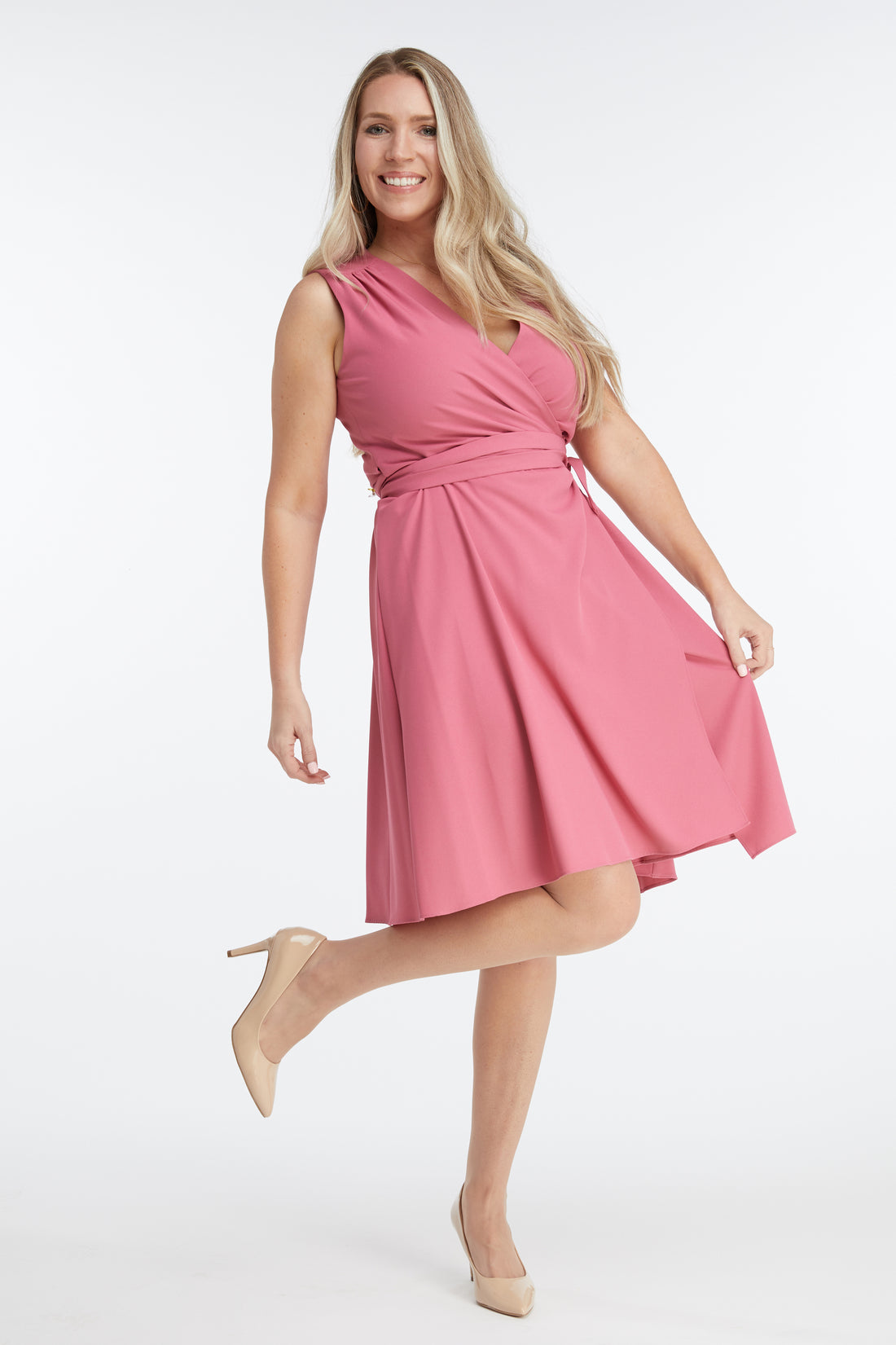
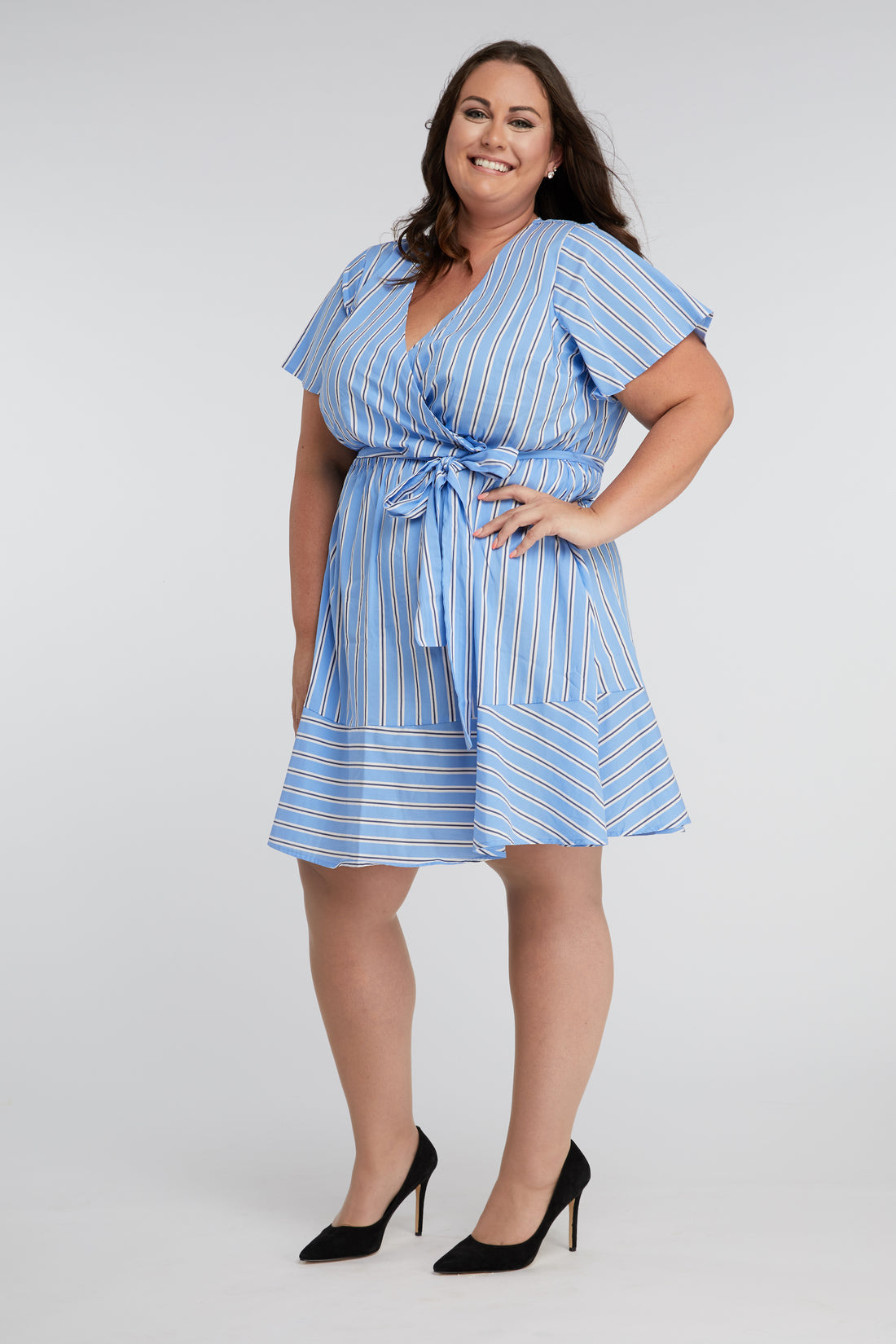
This works because dresses create natural airflow and reduce waistband pressure. A shirt dress, tank dress, or easy midi in cotton, linen, or a soft drapey blend can look finished with very little effort. If thigh friction or extra coverage is part of the equation, add a lightweight underlayer that stays smooth and does not squeeze.
This is also one of the rare times legwear can help rather than hurt. More on that in a minute.
A tank or tee with easy trousers
If you want comfort without feeling too casual, this is one of the strongest formulas. Pair a simple sleeveless top or soft tee with trousers that have room through the hip and leg. Linen blends, light cotton, and fluid pull-on pants tend to work especially well. The effect is polished without effort, and you avoid the sticky, restrictive feel that tight denim can create in heat.
An open button-down over a simple base
This is a smart option for days when temperatures change a lot. A light button-down worn open over a tank or fitted tee adds sun coverage and a little structure without trapping too much heat. Pair it with relaxed shorts, a pull-on skirt, or airy trousers. You get flexibility without carrying a heavy layer.
A soft knit top with a skirt that moves
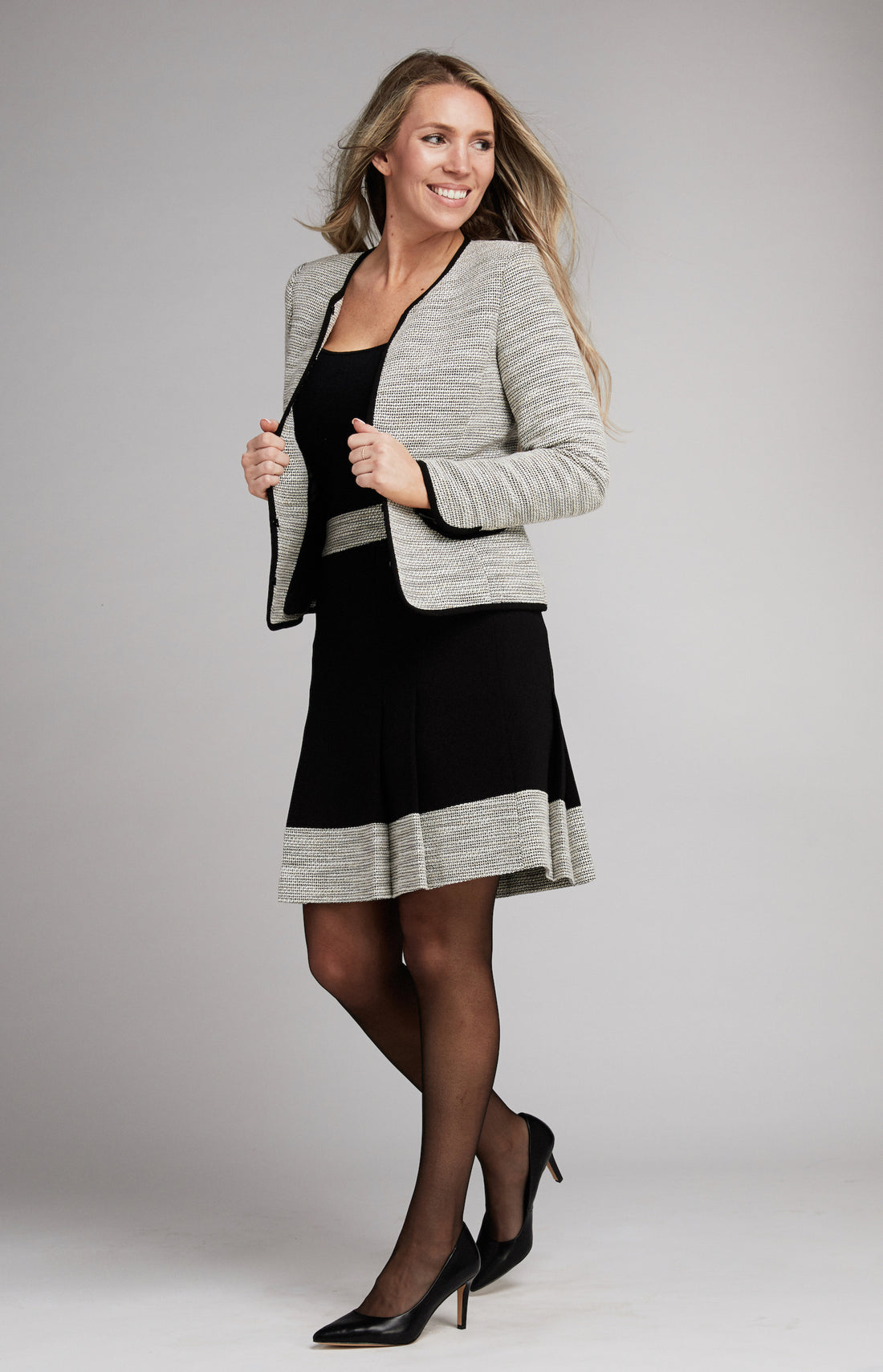
If you like a more styled look, try a fine-gauge knit or sleeveless sweater with a midi skirt in a breathable fabric. The top keeps the outfit grounded, and the skirt adds airflow. This is especially useful when you want to feel dressed up enough for lunch, work, or an evening plan but still want all-day comfort.
Across all of these formulas, the same rule keeps showing up: your outfit should leave room for air and movement. If it only looks good when you are standing still in front of a mirror, it probably is not the right choice for a hot day.
When leg coverage still makes sense on a hot day

Many people assume the answer is simple: if it is hot, skip tights. Often that is true. But not always. There are real situations where leg coverage still makes sense on warm days, including offices with strong air-conditioning, events where you want a smoother finish, days when you prefer more coverage, or outfits where shorts underneath do not give you the look you want.
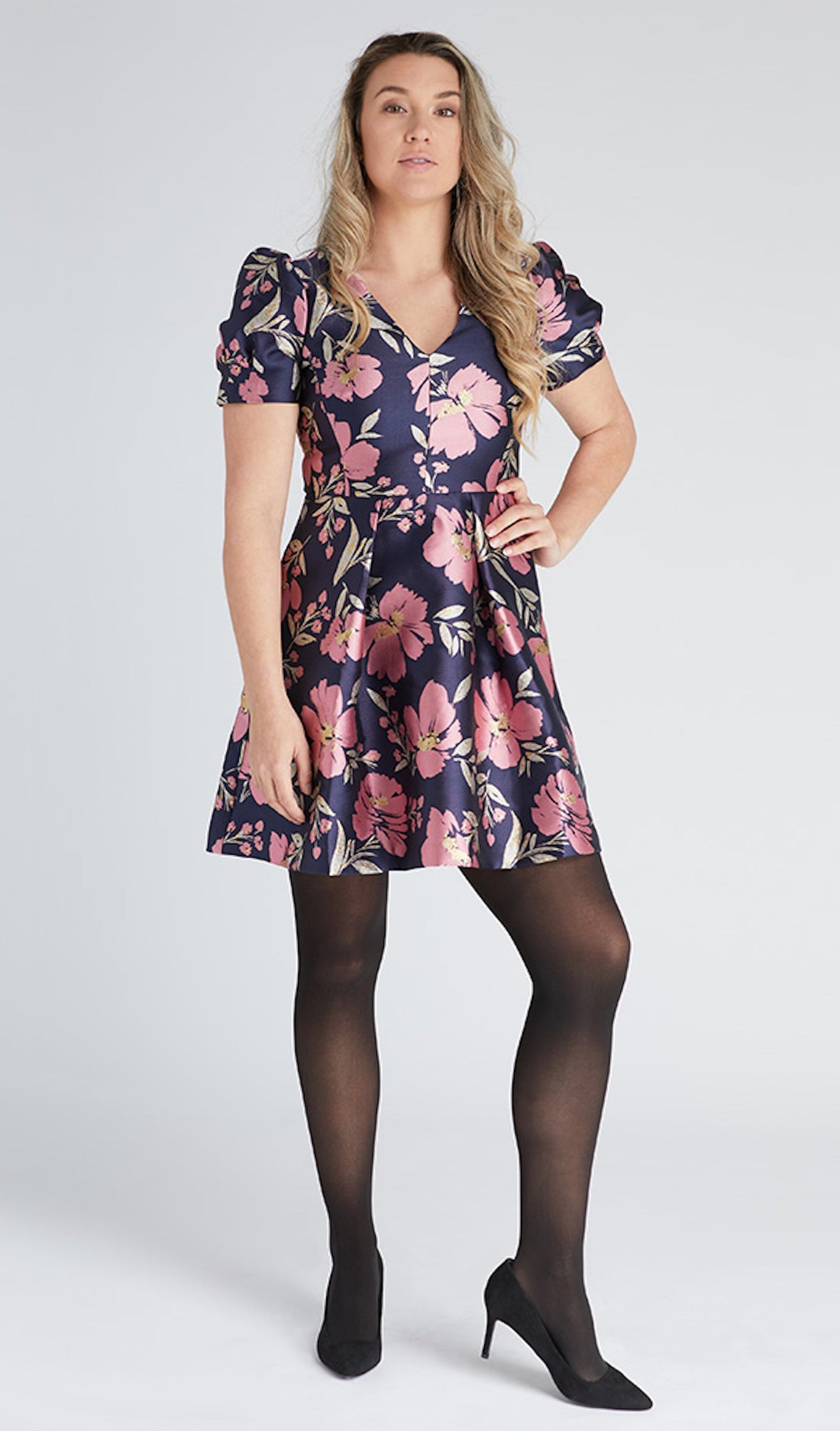
The key is choosing legwear that behaves very differently from traditional opaque styles. tights that do not trap heat usually have a lighter construction, better airflow, and a more comfortable waistband. Lower denier fabrics, open-knit designs, and less compressive tops tend to feel easier than heavy, control-focused tights. If the waistband digs, the fabric feels dense, or the pair makes you instantly aware of your legs, they are probably not right for warm weather.
Hot weather breathable tights are most useful when they solve a specific problem without creating a bigger one. They can help when you want a smooth leg line under a dress, light coverage for an event, or a buffer between cool indoor spaces and a warm commute. But they are not automatically the best answer every time. Sometimes a breezy dress alone feels best. Sometimes a lightweight short underneath is more comfortable. The point is not to force one solution.
If you are comparing options, it helps to look at brands that describe waistband feel, fabric weight, and breathability clearly. Comfort-focused legwear makers such as Hipstik are often more useful to study than generic listings that only show color and size.
Small details that change everything by midday
Once the temperature rises, tiny design choices become a big deal. These are the things most likely to decide whether an outfit still feels good a few hours later:
- Waistbands: A comfortable waistband matters more in heat because swelling, sitting, and movement make anything too tight feel worse.
- Underlayers: Thick shapewear, dense lining, or heavy slips can undo an otherwise breathable outfit.
- Fabric finish: A light fabric with a coated, slick, or plastic-feeling finish often traps more heat than expected.
- Length: Shorts that ride up, skirts that stick, or pants that cling behind the knees create constant distraction.
- Shoes: Even a great outfit can feel miserable if your shoes trap heat or rub once your feet warm up.
- Bag and layer planning: A very light extra layer often works better than an outfit that tries to handle every temperature at once.
Most warm-weather discomfort is not about one dramatic mistake. It is usually a stack of small annoyances. Fixing two or three of them can change how your whole outfit feels.
The questions people usually start asking once summer really hits
Can you still wear black on hot days?
Yes. Color matters less than fabric and fit for most people. A black linen dress or airy cotton set can feel better than a pale outfit made from dense synthetic fabric. If you love darker colors, keep the silhouette easy and the material light.
Are dresses always cooler than shorts or pants?
Not automatically. Dresses can feel wonderfully airy, but a lined dress or one that clings at the waist may feel less comfortable than light pull-on trousers. The better question is whether the piece allows airflow and easy movement.
Can you really wear tights when it is hot out?
Sometimes, yes. If you need light coverage, a polished finish, or something that works between a hot commute and cold indoor spaces, breathable tights can make sense. The wrong pair will feel awful, so look for lightweight construction and a no-dig waistband rather than thick opaque coverage.
What works if your office is freezing but the walk there is not?
Start with a breathable base and add a layer you can remove easily. A sleeveless dress with a light shirt or cardigan, or a tank with airy trousers and a thin overshirt, usually handles temperature swings better than one heavy outfit. The goal is flexibility, not bulk.
How do you stay comfortable without looking too casual?
Choose simple pieces with clean lines: easy trousers, a structured-but-light shirt, a knit tank, a column skirt, or a dress with shape but no fuss. Comfort does not have to read sloppy. Often the most polished summer outfits are also the least complicated.
What if you hate anything tight around your waist?
Lean into dresses, skirts with soft waistbands, and trousers that sit smoothly without squeezing. Heat tends to make waistband discomfort more noticeable, so this is one place where listening to your body pays off quickly.
Do you need separate outfits for daytime heat and evening plans?
Not always. One of the best warm-weather strategies is building outfits that shift easily with shoes, jewelry, or one extra layer. A simple dress, relaxed matching set, or easy skirt-and-top combination can move from daytime errands to dinner without a full change.
A simpler way to get dressed when it is hot

- Choose breathable fabrics before you think about trends.
- Look for shapes that skim instead of squeeze.
- Use repeatable outfit formulas so getting dressed feels easier.
- Only add legwear when it solves a real comfort or coverage need.
- Pay attention to small details like lining, waistbands, and underlayers.
When comfort leads, you usually end up looking better too. You stand differently, move more easily, and stop thinking about your clothes every five minutes. That is what makes a warm-weather outfit feel right: not just that it suits the season, but that it supports your day.