Skip To:
- Dress for the warmest part of the day, then solve for the morning
- Start with a base that can survive the afternoon
- The layer you remove should be easy to carry and easy to lose
- Your bottom half sets the comfort level for the whole day
- Shoes and accessories do quiet work here
- Outfit formulas that hold up when the temperature keeps moving
- Why some outfits fail by noon
- A few real-life questions that come up a lot
- If you need the short version
You leave the house in a sweater, feel smug for about twenty minutes, and by 2 p.m. you’re carrying half your outfit like a burden you chose for yourself. That weird stretch of year when the morning feels chilly and the afternoon feels almost warm isn’t hard because you don’t know how to dress. It’s hard because one outfit has to handle two different days.
That’s really the puzzle behind what to wear in transitional weather. You’re not looking for one magical temperature-proof look. You’re trying to build an outfit that feels good at 7 a.m., still makes sense at lunch, and doesn’t ask for constant tugging, adjusting, or regretting by midafternoon. Once you think about it that way, the whole thing gets much easier.
Dress for the warmest part of the day, then solve for the morning
The mistake most people make is dressing for the first five minutes outside. If your coldest moment is the walk from the car to the office, but the rest of your day is spent in a heated building or a warmer afternoon, your base outfit should make sense for the later temperature, not the early one.
That doesn’t mean ignoring the morning. It means handling it with a layer you can remove. A tank with a cardigan makes more sense than a thick sweater you’ll be stuck in all day. A lightweight dress with a jacket works better than a heavy knit dress that feels great at breakfast and miserable by 3 p.m.
There are exceptions. If you’re outside for a long commute, walking kids to school, sitting at a game, or spending most of the day in the open air, the morning cold deserves more respect. But even then, flexibility matters. On mixed-temperature days, comfort usually comes from adjustability, not from one heavy outfit.
Start with a base that can survive the afternoon
The easiest way to build temperature change outfits is to begin with the piece you can still happily wear when the sun shows up. Usually that means something breathable, not bulky, and easy to layer over. Cotton tees, sleeveless knits, lightweight button-downs, fine-gauge sweaters, relaxed blouses, and simple dresses all do this job well.
Fabric matters more than people think. A slim long-sleeve tee in cotton or modal can feel lighter than a stiff short-sleeve top in the wrong material. Thin merino can work beautifully because it regulates well. Thick acrylic, heavy fleece, and anything overly brushed tend to trap heat fast, which is great in real cold and much less great when the day is pretending to be fall at breakfast and late summer by lunch.
A lot of people asking what to wear in 60 degree weather are really asking a more specific question: what kind of 60 degrees are we talking about? Windy and gray 60 is different from sunny 60. Dry 60 feels different from damp 60. That’s why the same forecast can lead to completely different outfits. The number helps, but the feel of the day matters just as much.
- A fitted tee or tank with straight-leg jeans and a light third layer
- A sleeveless or short-sleeve knit dress with a cardigan or blazer
- A crisp button-down with sleeves you can roll and ankle-length trousers
- A thin knit top with a midi skirt and loafers or sneakers
If the base outfit already works on its own, you’re halfway there.
The layer you remove should be easy to carry and easy to lose

Good layering for fall is less about stacking as many pieces as possible and more about choosing the one piece that can come off without ruining the outfit. That layer should do three things: warm you up in the morning, still look polished while it’s on, and not become a nuisance the second you take it off.
Cardigans, denim jackets, shirt jackets, lightweight trenches, unstructured blazers, and soft pullovers usually work better than anything overly bulky or precious. If you’ll be carrying it by noon, it helps if it can fold into a tote, drape over a chair, or tie around your shoulders without becoming its own separate project.
This is also where proportion matters. If your base layer is loose, a cleaner outer layer often looks better. If your base is fitted, you have more room for an oversized shirt or slouchier jacket. The best fall transitional outfits don’t just add warmth. They still look intentional after the top layer comes off.
Your bottom half sets the comfort level for the whole day
Tops get most of the attention, but the bottom half is often what determines whether an outfit still feels good by afternoon. Heavy denim, thick ponte, lined trousers, and tall boots can make a day feel warmer than expected fast. That’s not always bad, but it is something to factor in if you’ll be in and out, walking a lot, or dealing with sun later in the day.
For many people, the most useful middle ground is a straight-leg or relaxed jean, ankle trousers, a midi skirt, or an easy dress. Those give you enough coverage for a cool morning without committing you to full cold-weather dressing. Early fall outfits tend to work best when the silhouette feels grounded but the fabrics stay light.
Dresses and skirts can actually be great here because they leave more room to adjust. You can add a jacket in the morning, switch shoe weight depending on the forecast, and decide how much leg coverage you really need. If you like a little extra coverage or anti-chafe support under a dress, lightweight layers from Hipstik can make the outfit feel easier to wear without making it feel bundled. If the afternoon is genuinely warm and you’ll be outside, keeping the legwear light usually makes more sense than trying to force thick tights into the plan.
Shoes and accessories do quiet work here
There’s a reason an outfit can feel seasonally confused even when the clothes are fine. Sometimes it’s the shoes. Heavy boots can make a mild afternoon feel hotter. Barely-there sandals can look out of step on a chilly gray morning. Loafers, fashion sneakers, ballet flats, ankle boots, and low-profile mules usually hit the sweet spot because they don’t lean too hard in either direction.
Socks matter, too. A thin sock with a loafer or sneaker can take the edge off a cool start without changing the whole outfit. Same idea with accessories. A light scarf, sunglasses, a cap, or a roomy tote for your shed-able layers can be more useful than another heavy garment. Small adjustments often work better than one dramatic one.
Outfit formulas that hold up when the temperature keeps moving
If you never know what to wear in September, it helps to rely on a few combinations that already understand the assignment. The most dependable temperature change outfits have a breathable center and one removable layer, not three competing ones.
Straight-leg jeans, a tank or fitted tee, an oversized button-down, and loafers. This is one of the easiest wear-it-anywhere options because the shirt can stay on, come off, or be tied around your shoulders without the outfit falling apart.
Ankle trousers, a sleeveless shell, a relaxed blazer, and simple flats or sneakers. Great when you want something office-friendly that won’t feel too warm by lunchtime.
A knit midi dress, a cardigan, and low-profile sneakers. Easy for errands, lunch, or casual plans, and the dress still works once the cardigan comes off.
A midi skirt, a tucked tee, a denim jacket, and ankle boots. This is a strong option for early fall when the morning has a little bite but the day doesn’t fully commit to cold.
Relaxed jeans, a thin long-sleeve tee, a trench, and sneakers. Good for travel days, school runs, or any day when you’re in and out and want to look pulled together without overthinking it.
A shirt dress with bike shorts or a light base layer underneath, plus a soft cardigan and flats. Useful if you like dresses but don’t want to spend the day adjusting or worrying about comfort.
You’ll notice none of these depend on a heavy coat, a giant sweater, or footwear that only works for one hour of the day. That’s usually the point.
Why some outfits fail by noon

When an outfit feels wrong on a mixed-temperature day, it’s usually one of a few things:
You dressed for the commute instead of the whole day.
Your base layer is too warm, so removing the top layer doesn’t actually solve anything.
The outer layer is annoying to carry, which means you keep it on longer than you want to.
Your shoes say November while the rest of the forecast says maybe not.
You treated every 60-degree day like the same day, even though sun, wind, humidity, and shade change everything.
Once you spot your own pattern, getting dressed becomes less mysterious. Most of us repeat the same mistake because it feels safer to overdress than to risk being cold for half an hour. Understandable. Also the reason so many closets end up in unnecessary sweater territory every September.
A few real-life questions that come up a lot
Do I always need a jacket if it’s cold in the morning?
No. If the cold part of your day is brief, a cardigan, blazer, overshirt, or even a light scarf may do the job. A full jacket makes more sense when you’re outside for a while or the wind is doing most of the talking.
What if I get cold easily but hate carrying extra layers?
Lean into lighter insulating pieces instead of bulk. A thin knit, a soft cardigan, or a breathable long-sleeve base can keep you comfortable without leaving you with a giant coat to drag around later. This is also where fabric really earns its keep.
Can I still wear a dress on days like this?
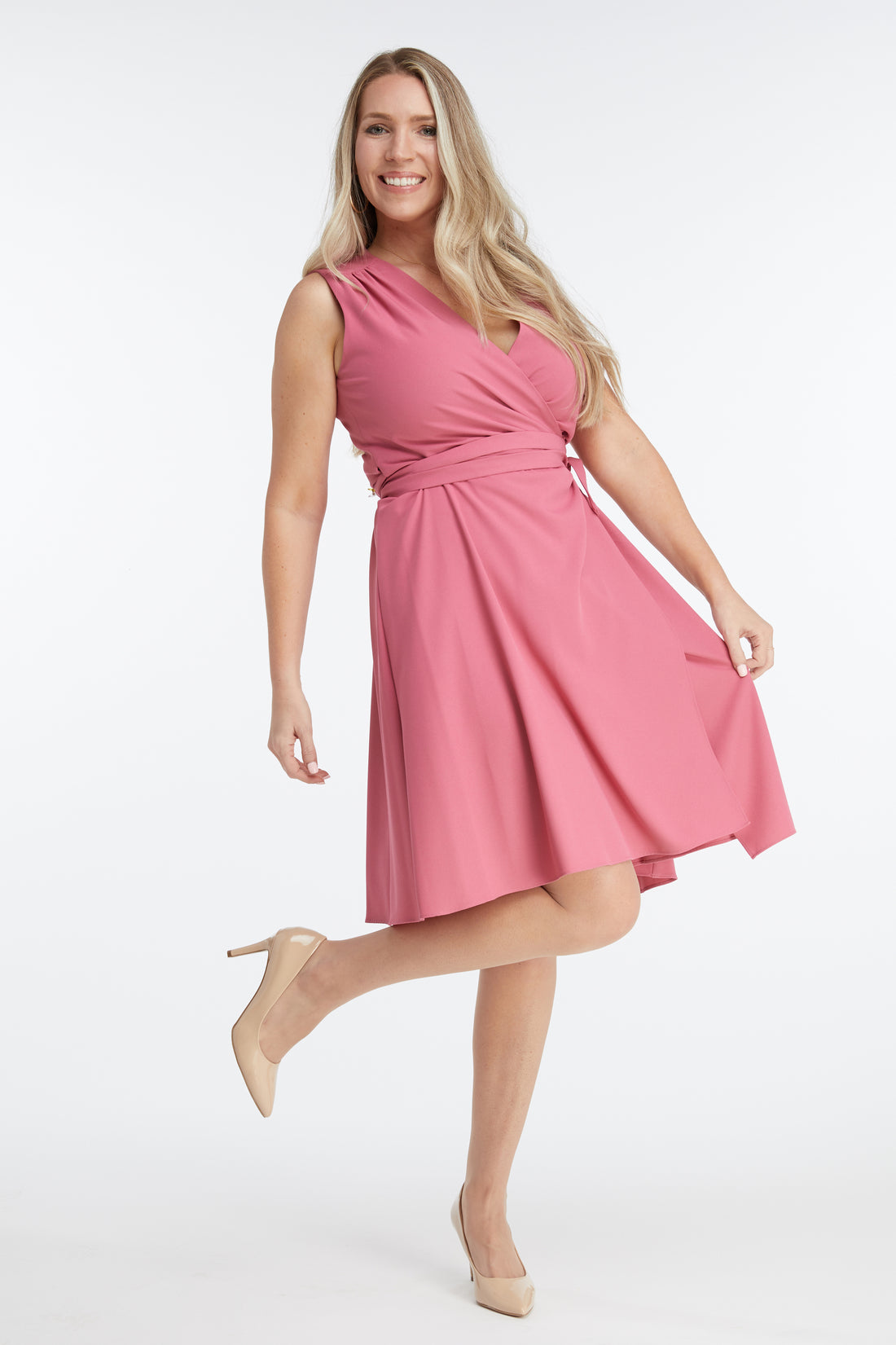
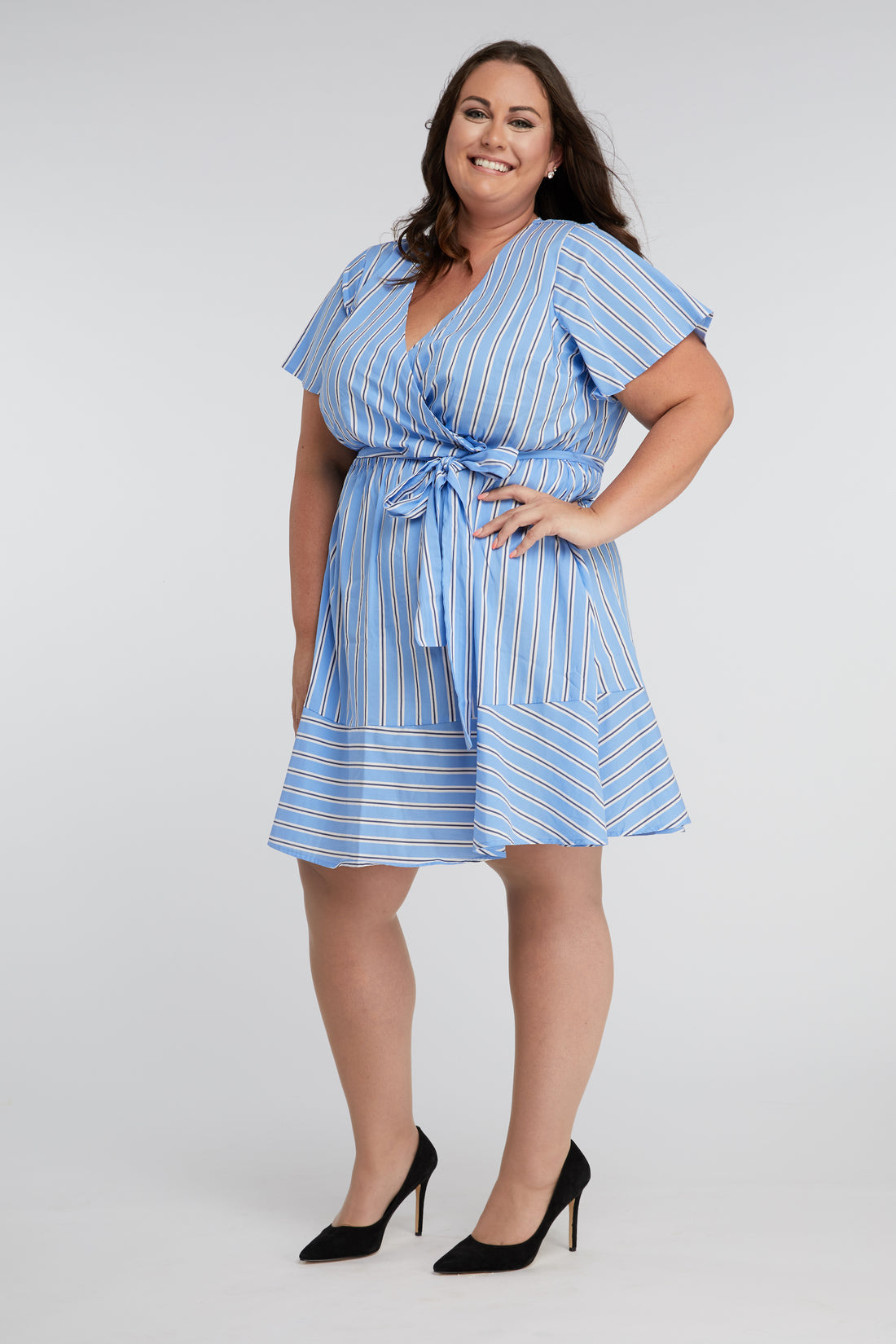
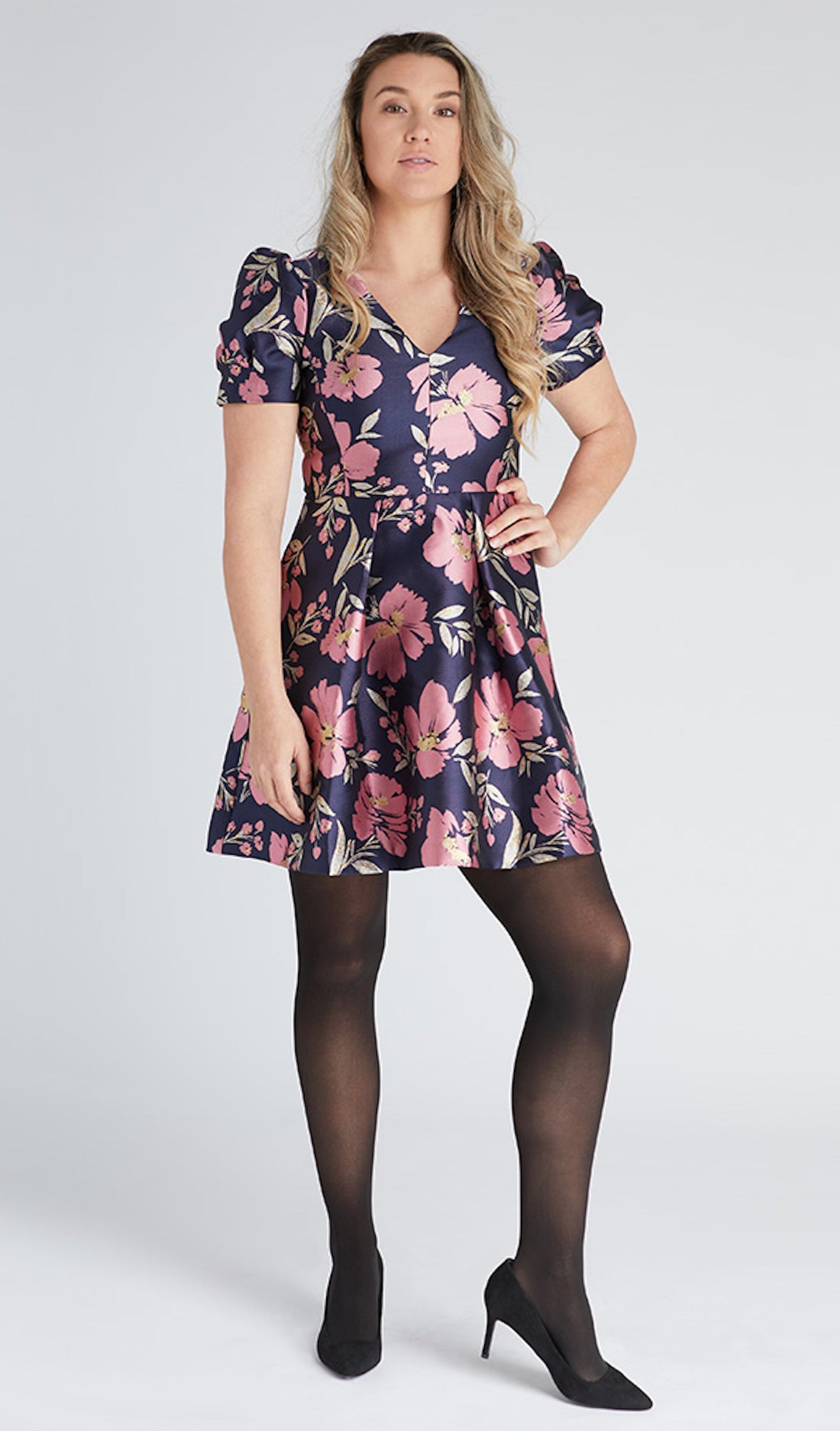
Absolutely. Dresses are often easier than pants because you can change the feel of the whole outfit with one layer and one shoe swap. Just make sure the dress works on its own, not only under the cardigan or jacket.
Are jeans too heavy for mixed-temperature days?
Not always. Straight-leg or relaxed jeans in a regular-weight denim are usually fine, especially with a lighter top. The pairs that get tricky are very heavy, rigid styles combined with boots and a sweater, because then the whole outfit starts leaning winter.
So what should I actually wear in 60 degree weather?

Think light layers, not heavy ones: jeans or trousers, a tee or thin knit, and one removable top layer. If it’s sunny and calm, you can usually skew lighter. If it’s cloudy, damp, or windy, you may want the same outfit with sturdier shoes and a warmer layer.
What makes sense for work when the office runs cold but outside warms up?
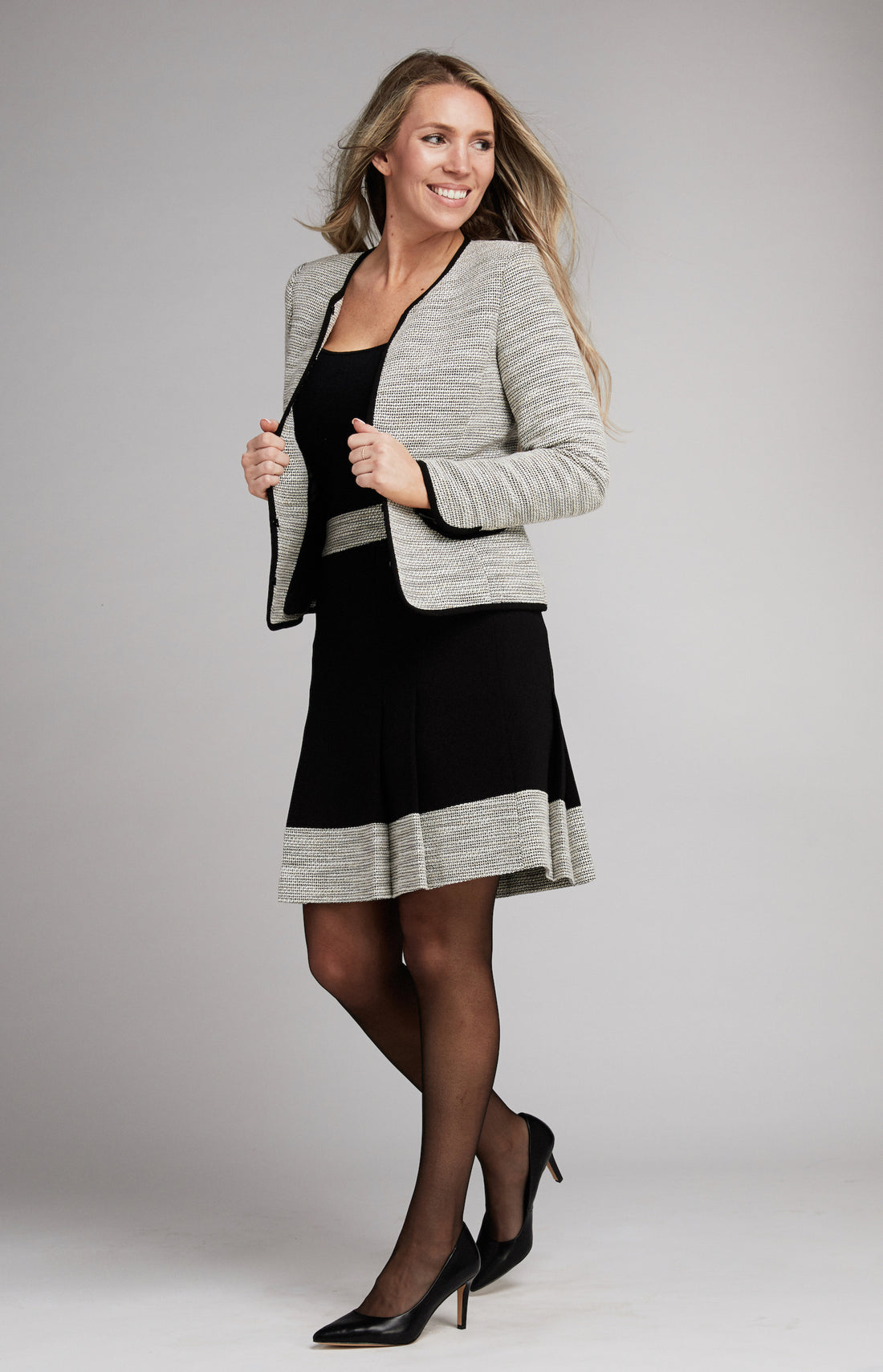
This is where a shell-and-blazer combination really shines. Wear something sleeveless or lightweight underneath, then let the blazer handle the air conditioning and the morning chill. If you get warm later, your outfit still looks finished.
What should I wear in September when the forecast keeps changing every day?
Build a small rotation instead of reinventing the wheel each morning. A few early fall outfits you know work well together, like jeans plus a tee plus a button-down, or a dress plus a cardigan plus sneakers, will save you far more stress than chasing the exact perfect piece every day.
If you need the short version
Dress for the warmest part of your day, then add a removable layer for the cooler part.
Keep the base outfit breathable so it still works once the top layer comes off.
Choose outer layers that are easy to carry, not just nice in theory.
Watch shoe weight and fabric weight as closely as you watch the forecast.
Repeat a few proven outfit formulas instead of starting from scratch every morning.
These are the days that make getting dressed feel more complicated than it should be. But once you stop trying to find one outfit that behaves like two different seasons at once, it gets simpler. Start with something you wouldn’t mind wearing in the afternoon, give yourself one flexible layer for the morning, and let the rest of the outfit support real life instead of arguing with it.