Skip To:
- Why your usual clothes can feel off by noon
- Dress for a day that shifts, not one fixed moment
- Why fabric matters more than most people realize
- Start with the pieces nobody sees
- Outfits that usually work when your comfort needs are changing
- When the tugging won’t stop, the cut is usually the clue
- Questions that usually pop up when you start rethinking your closet
- If you want the short version
Why your usual clothes can feel off by noon
Perimenopause doesn’t hit the same way for everyone, but one thing a lot of people notice is how changeable it is. One day you’re running hot. The next, you’re fine. Your midsection might feel normal in the morning and by lunchtime the same pants suddenly feel too tight. You might also notice breast tenderness, irritated seams, or a growing intolerance for anything snug, scratchy, or overly fussy.
That back-and-forth is what makes getting dressed harder than the usual “just wear breathable fabrics” advice makes it sound. The problem isn’t only heat. It’s that you can’t count on your body to feel the same from one hour to the next.
The clothes that tend to fall out of favor first are the ones that assume a steady body all day long: stiff waistbands, tight armholes, clingy synthetic tops, shapewear that presses all afternoon, or dresses that only work when you feel identical from morning to night.
This paragraph focuses on clothes that tend to fall, and readers can use all day long stiff waistbands for detail on hipstik essentials.
Comfort in midlife usually starts with loosening that old standard. Instead of asking, “Does this look polished right now?” it helps to ask, “Will this still feel good after a commute, a meeting, a warm room, a meal, and a long afternoon?”
Dress for a day that shifts, not one fixed moment
The smartest approach is to dress with changes in mind. When your temperature and comfort can swing fast, the best outfits leave you a little room to breathe.
Usually, that comes down to three things: a waistband that doesn’t pinch, fabric that lets air move, and layers you can shed without the whole look falling apart.
Let the waist support you, not fight you
If you’re always tugging, smoothing, or yanking at the lower half of your outfit, the waistband is often the culprit. And it’s not always about size. Sometimes the rise is off, the elastic feels too rigid, or the fabric doesn’t bounce back once you’ve sat and moved around in it.
Look for bottoms and base layers with a comfortable waistband that lies flat without digging in, squeezing, or rolling over. A softer band can feel much better than a tight one, especially on days when your abdomen feels more tender than usual. That’s a big reason many women become far more interested in no-dig construction in tights, leggings, underwear, and lounge pieces during this life stage.
It also helps to stop treating “supportive” as a synonym for restrictive. A bit of gentle hold can be useful. Constant compression usually isn’t.
Choose shape over cling
Plenty of outfits run hot because too many pieces are trying to sit close to the body at once. A fitted tank under a fitted shirt under a jacket might feel fine in a chilly fitting room, then feel unbearable once you’re actually moving through the day.
Instead, go for a softer skim. Tops that sit a little away from the torso, straight or wide-leg trousers with some movement, shirt dresses with structure but no squeeze, and skirts with a bit of swing often feel better than clingy alternatives. You can still look polished without creating a sealed-off bubble around yourself.
Build in an easy off-ramp
When you need help managing overheating, this is often the piece that gets missed. A cardigan, light button-down, soft blazer, or overshirt usually works better than a fussy layered outfit if you can remove it in seconds and still feel put together.
It may sound small, but it matters. If taking off a layer leaves you feeling too exposed, rumpled, or unfinished, you’ll probably keep overheating instead of adjusting.
Why fabric matters more than most people realize

Fit gets all the attention, but fabric is often what makes one outfit feel fine all day and another feel impossible by lunchtime.
Usually, the best fabrics are the ones that let air through, pull moisture away, and move with you instead of fighting your body. That said, there isn’t one perfect choice. Some women feel best in natural fibers like cotton or linen. Others like technical blends that dry faster and feel lighter on the skin. And if your skin runs sensitive, the seams and texture can matter just as much as the fiber itself.
Good options to keep an eye out for:
- Cotton blends for softness and easy everyday breathability
- Linen or linen blends for airflow, especially in tops, pants, and dresses
- Tencel, modal, or rayon blends for drape and a cooler feel, though the exact blend still matters
- Lightweight merino for some people, since it can help regulate temperature without adding bulk
- Moisture-managing performance blends for walking days, travel, or long commutes
These can be harder to wear when you’re already warm:
- Heavy polyester with very little breathability
- Stiff denim with no give at the waist
- Cheap synthetics that cling once the temperature rises
- Bulky knits worn close to the body
- Thick shapewear or strongly compressive base layers
Of course, none of this is set in stone. A well-made synthetic can feel better than a stuffy cotton weave. A soft knit can beat crisp linen if your skin is touchy. The real goal is to notice what your body handles well now, not what used to work years ago.
Start with the pieces nobody sees
Most of the comfort you feel in a perimenopause outfit is decided before anyone sees the outfit at all. If your bra band, underwear, tights, camisole, or slip is digging in, slipping, or scratching, the whole look can feel off no matter how polished it looks in the mirror.
Good base layers do two simple jobs: they stay out of the way and help everything on top sit better. You shouldn’t have to keep adjusting them all day.
- Underwear: choose soft edges, smooth finishes, and enough coverage to stay put without rolling, riding up, or pinching.
- Bras: on more sensitive days, many women like wider bands, softer cups, and less rigid hardware.
- Tights and leggings: go for a smooth, flattering fit with a waistband that doesn’t squeeze. If you’re always tugging them up or folding the band over, the cut probably isn’t right for your body.
- Camisoles or slips: a light layer can cut down on cling and help clothes move instead of sticking.
That’s where the difference between “snug enough to stay put” and “made to stay put” really stands out. The best base layers feel like gentle support, not a wrestling match.
Outfits that usually work when your comfort needs are changing
You don’t need a whole new wardrobe. You just need a few dependable outfit formulas that look pulled together and still leave room to adjust.
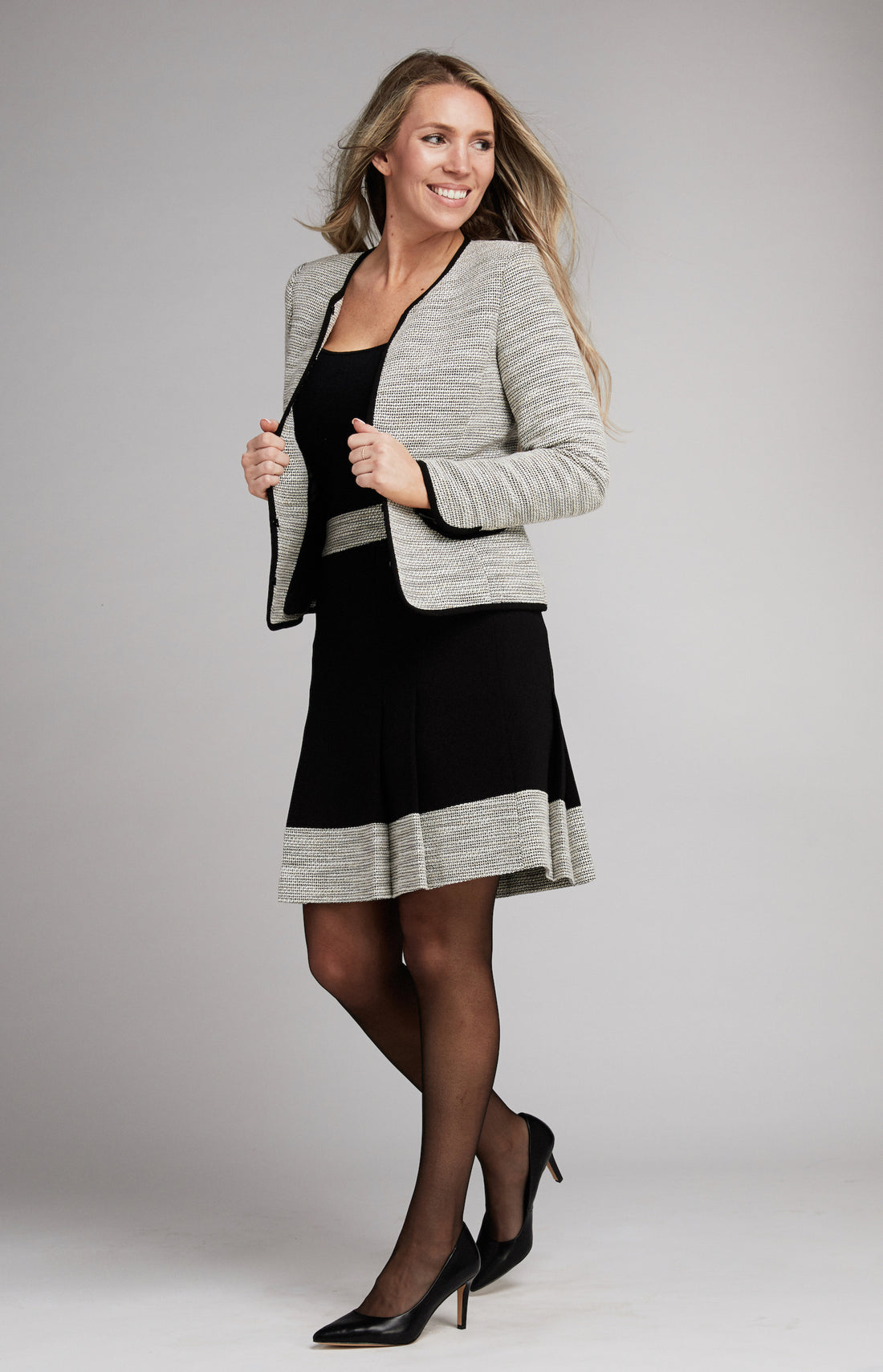
A breathable top + easy trouser + removable third piece
This is one of the most reliable workday combos. Try a cotton poplin shirt, knit shell, or drapey blouse with pull-on trousers or softly tailored pants, then finish with a lightweight blazer or cardigan. If the room heats up, you can take that extra layer off and the outfit still holds together.
The important part is that nothing feels tight or fussy. If the waistband is digging in and the jacket is holding in too much heat, the polish isn’t worth the distraction.
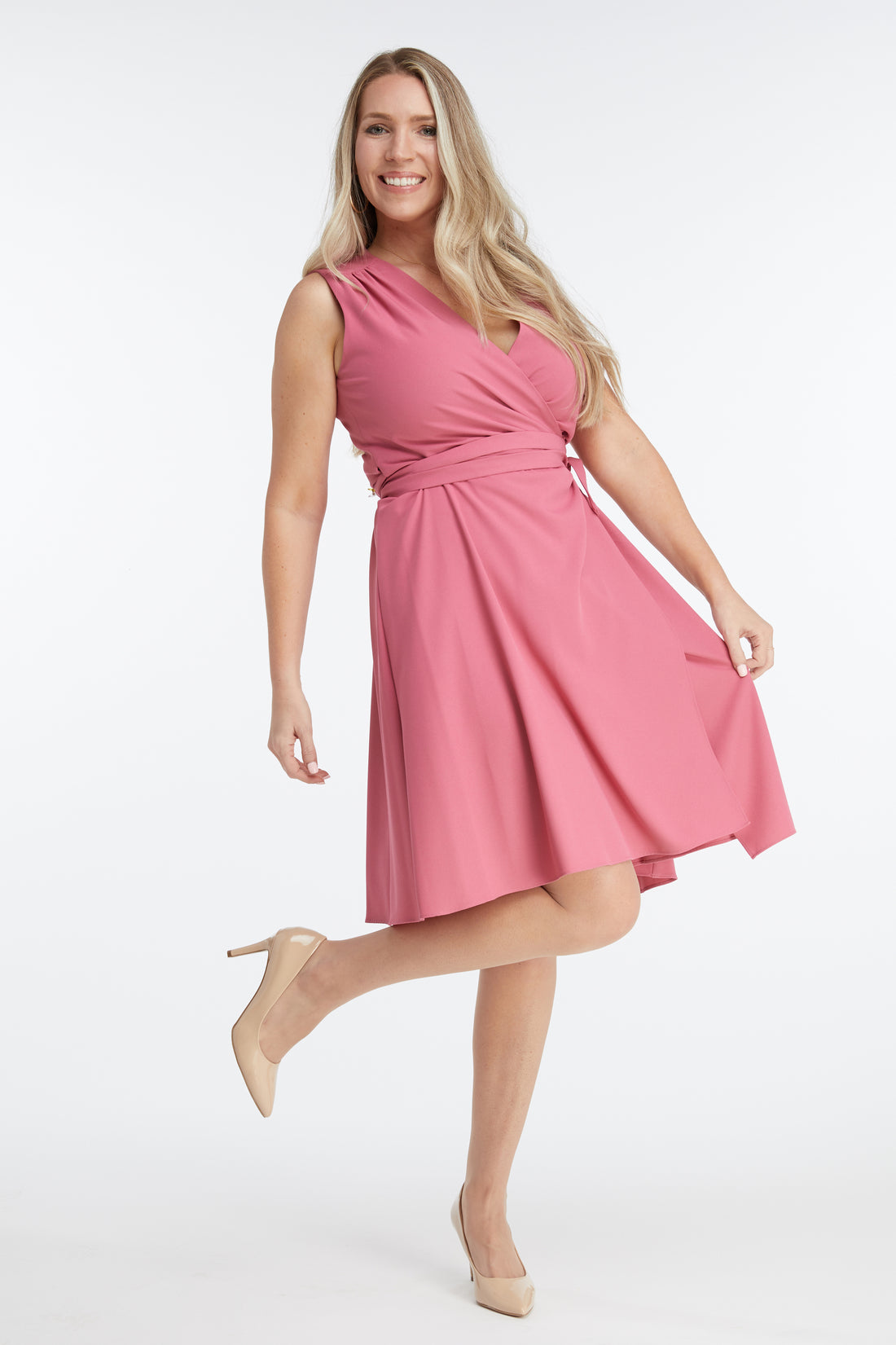
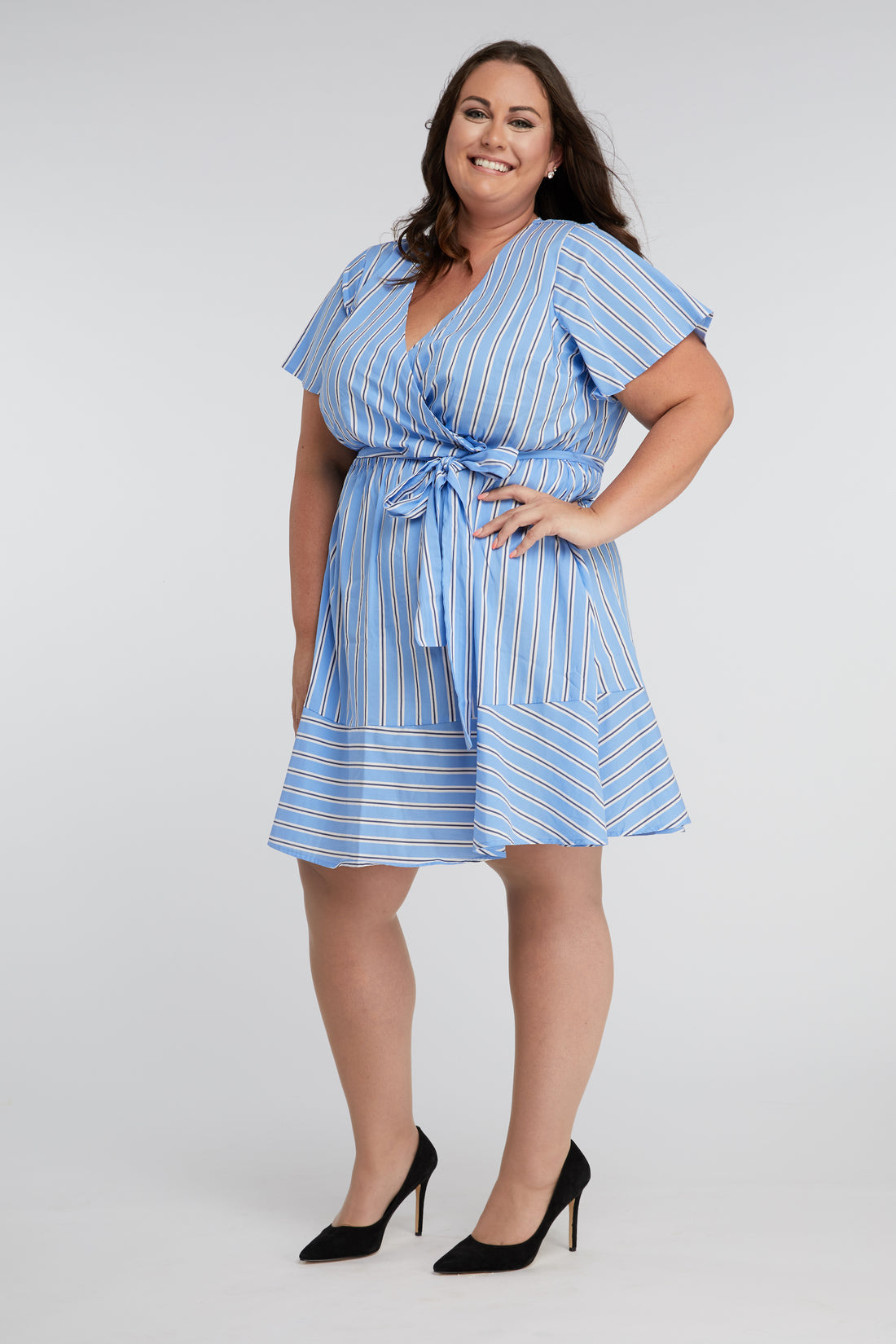
A knit dress that skims + light layer + comfortable legwear if needed
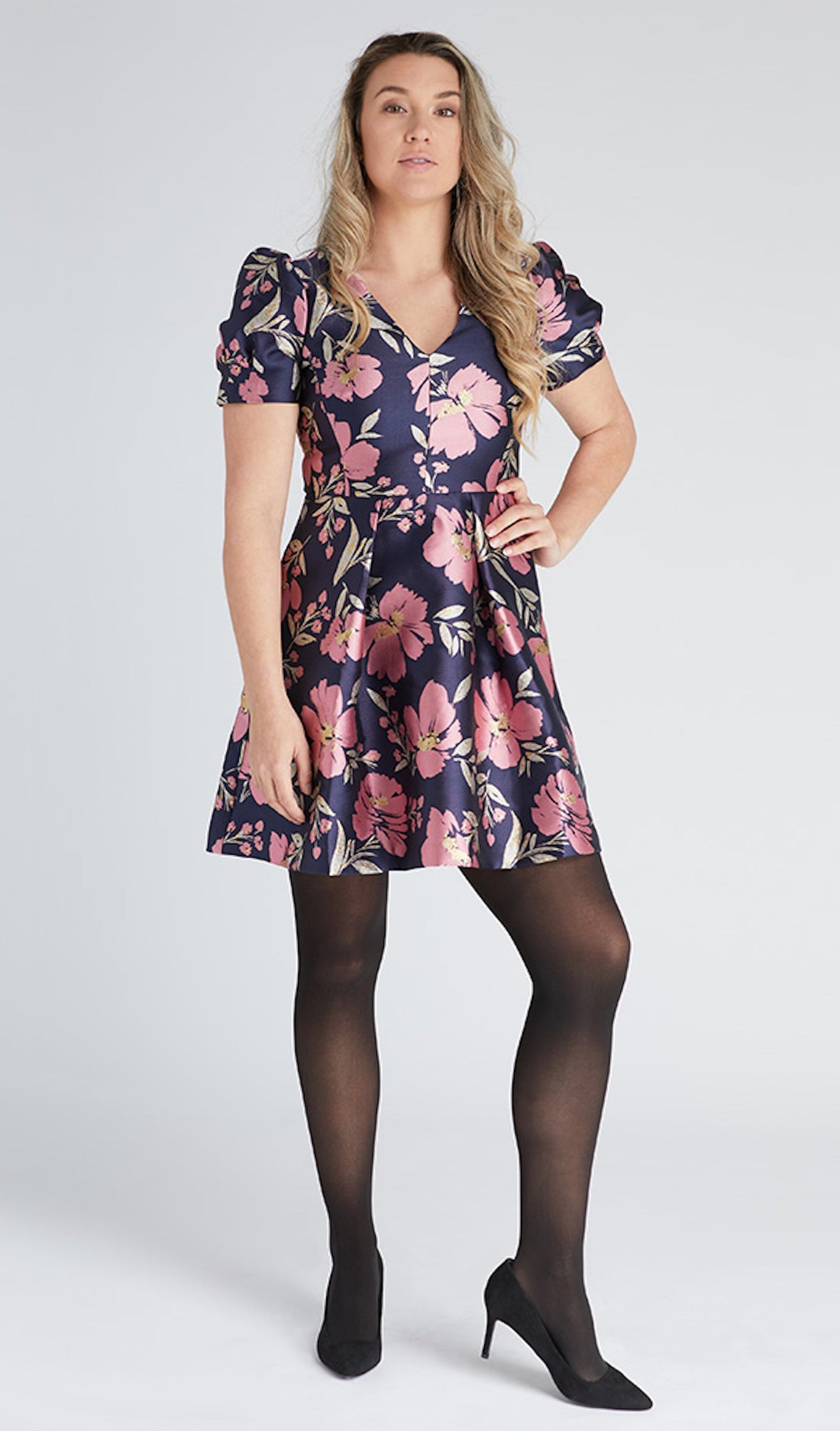
On days when you want getting dressed to be simple, a dress can feel easier than separates. Look for a shape that skims instead of clings, with a little ease through the midsection and underarms. If you wear tights, choose ones with a soft waistband and enough stretch to move without constant tugging.
A shirt jacket, denim jacket, or light cardigan gives you temperature control without making the dress feel overly formal or precious.
A matching set in a breathable fabric
Soft matching sets are a quiet win when comfort matters more. A knit top and relaxed pant in the same shade can look intentional while feeling much closer to loungewear. The best versions have some drape, plenty of airflow, and a waistband you barely notice.
This works especially well for travel, work-from-home days, and weekends when you want an easy outfit that still looks finished.
A column of color with lighter layers
If you like a clean, streamlined look, try a tank or tee with bottoms in a similar tone, then add a shirt, cardigan, or open layer in a lighter fabric. The result looks polished, but the removable outer layer keeps things flexible.
It’s also handy if your body is changing and you don’t want every outfit to turn into a fitting-room puzzle. A simple base with a breathable topper can do a lot of the heavy lifting in a real-life wardrobe.
When the tugging won’t stop, the cut is usually the clue

Constant adjusting isn’t a personal flaw. It’s usually your clothes telling you something.
If you keep tugging at your outfit, pay attention to the pattern:
- You pull up your pants or tights all day: the rise may be off, the waistband may be too loose in one spot and too snug in another, or the fabric may not bounce back well enough.
- You yank down your top over and over: it may be too short for the rise of your bottoms, or it may be catching at the bust or midsection.
- You feel squeezed by necklines or armholes: you may need more room through the shoulders and chest, not just a larger size overall.
- Your dress twists or clings: the fabric may be prone to static, you may be missing a slip, or the cut may simply be too narrow through the hips.
- You get overheated indoors right away: there may just be too many heavy layers too close to the body.
This is where a lot of women go straight to sizing up. Sometimes that’s the fix. Other times it just swaps one annoyance for another: extra fabric, more bunching, and even more heat. A better move is to change one thing at a time: rise, fabric, seam placement, sleeve shape, neckline, or layer weight.
You may also notice that your idea of a good fit has changed. Things that once felt best sharp and close to the body may now feel better with a little more ease. That isn’t giving up on style. It’s just letting your clothes match where your body is now.
Questions that usually pop up when you start rethinking your closet
Do I need to give up fitted clothes entirely?
Not at all. The real question isn’t “fitted” versus “loose.” It’s whether the piece presses on the warmest or most sensitive parts of you and keeps doing it for hours. A fitted knit tank under an open shirt can feel perfect. A clingy dress, a firm bra, tight tights, and a structured jacket may be a completely different story.
Is it better to size up during perimenopause?

Sometimes, yes — but not by default. If a waistband digs in, the next size up might help. If the problem is really the rise, the fabric, or the cut, sizing up can just leave you tugging and readjusting all day. It’s worth figuring out what feels off before deciding the number is the fix.
Are natural fibers always cooler?
Not necessarily. Natural fibers often breathe well, but some performance fabrics pull moisture away faster and dry more quickly. If the advice seems all over the place, that’s because comfort is personal. Climate, activity, and skin sensitivity all change the answer.
What should I wear when I know I might suddenly get hot at work?
Go for layers you can remove without a full outfit change. A breathable shell, easy trousers, and a light cardigan usually work better than one heavy sweater or a blouse trapped under a structured jacket you can’t wait to take off.
Why do waistbands bother me so much more now?
For many women, the midsection just gets less forgiving about pressure, and that can shift from day to day. Bloating, sensitivity, and general discomfort can make a rigid waistband feel louder than it used to. Softer construction and a better rise often make a real difference.
Can I still wear tights if I run warm?
Yes, but the build matters. Look for lighter deniers when they make sense, breathable yarns, and a waistband that stays smooth without pinching. If the tights are creating most of the discomfort, they’re not just a minor part of the outfit anymore.
What if my body seems to change from day to day?
Dress for flexibility, not perfection. Keep a few bottoms with forgiving waistbands, a few tops that skim instead of cling, and layers you can shed easily. The more your wardrobe can bend, the less each morning feels like a problem to solve.
If you want the short version
- Dress for the way your body changes, not for how it looks at one random moment in the mirror.
- Go for breathable fabrics, simple layers, and waistbands that don’t dig in.
- Pick clothes that follow your shape instead of clinging too tightly.
- Don’t overlook base layers; they can make or break the whole outfit.
- If you’re constantly adjusting something, that’s a pretty good sign the fit or fabric isn’t right.
- Comfort and style can absolutely go together; the best outfits give you both.
Perimenopause can shift what feels good to wear, but getting dressed doesn’t have to turn into a fight every morning. A few small changes in fit, fabric, and layering can make clothes feel easier, cooler, and more supportive. That’s the real aim: a wardrobe that moves with you, stays comfortable, and lets you get on with your day without overheating or fussing with your clothes all the time.